
By Jeffrey A. Rendall
The difference between anti-establishment and anti-incumbent is subtle, but not this year
Throw the bums out!
You might expect to hear this if you’re sitting in a bar near closing time and there’s been a particularly raucous crowd of fellow patrons who’d imbibed a tad too much and stayed long past their sobriety expiration point on a festive occasion.
But these days, we’d likely encounter similar sentiments conveyed by just about anyone if the subject of Congress and incumbency happened to be broached. Talk about a topic that’s guaranteed to engender a 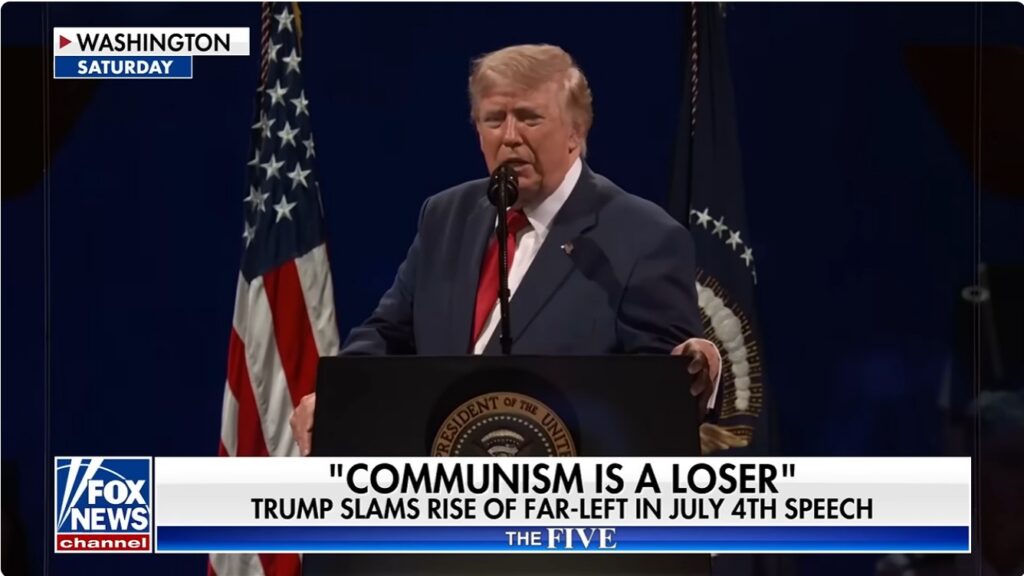 negative vibe among otherwise content people.
It’s now past the Independence Day holiday and pundits have been discharged to talk about something other than President Donald Trump’s plans to mark and observe the United States’ Semiquincentennial birthday. Wasn’t it easier to just say, “Bicentennial” in 1976?
At any rate, it’s crunch time, again, for Republicans and Trump-backers to hit the trail on planning for later this year. Everything must be about working to improve the mood of the persuadable voters. In an article titled, “Anti-incumbent mood sweeping country in troubling sign for GOP majorities”, Alexander Bolton reported at The Hill earlier this week:
“A sour, anti-incumbent mood is sweeping across the nation on its 250th anniversary in what political analysts say is an especially troubling sign for Republican control of the House and Senate, given President Trump’s slumping approval rating.
“Rising voter anger with the status quo has hit both parties, with eight House incumbents — five Democrats and three Republicans — losing primary races this year in addition to two GOP Senate incumbents, Sens. Bill Cassidy (La.) and John Cornyn (Texas).
“Republicans on Capitol Hill fear the antiestablishment mood could cost them control of the House and perhaps the Senate as well. National Republican Senatorial Committee Chair Tim Scott (S.C.) has warned Senate GOP colleagues privately ‘about how bad polling is, currently, for Republicans and how bad the president is losing ground among all groups,’ said a senior Republican aide.”
Sorry to highlight it, but this sounds like the establishment rearing its ugly head again, at least in the case of the “senior Republican aide’s” example in the previous paragraph.
And I’m not normally inclined to repudiate the “bad polls spell disaster”-type articles like Bolton’s, but I think The Hill writer’s analysis is a lot on the “it always happens that way” light fluff and not nearly as much on the “But… what about…?” more substantive side.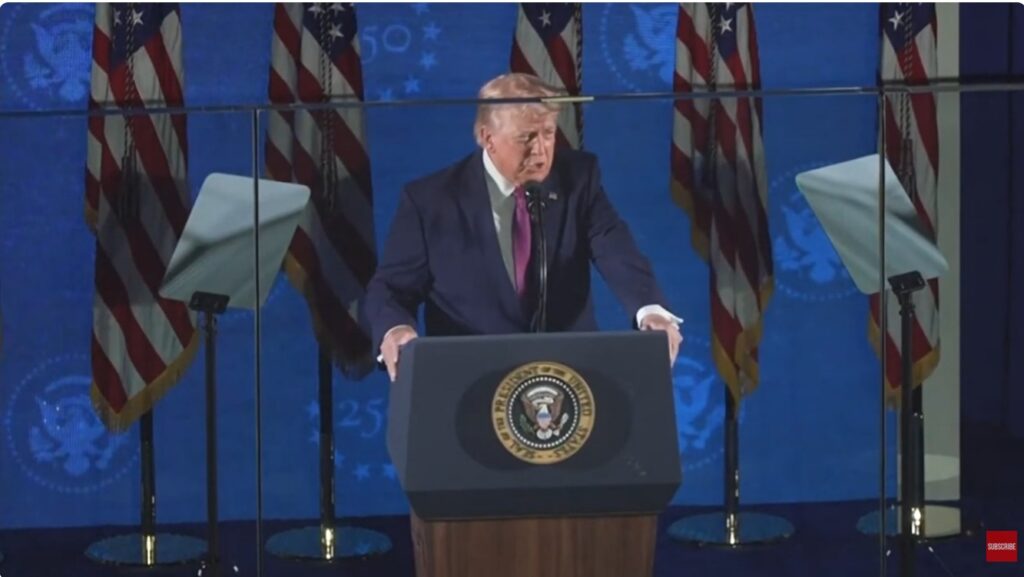
I too think the Republicans face an uphill slog to overcome Trump’s generally lethargic approval ratings, and I’ve regularly indicated so in this column. But I’m not prepared to say the country’s restive mood in the days before and after the 250th anniversary celebrations will be unalterably dispositive of what will happen four months from now.
I noticed a horde of sweaty people in a foul state (towards the weather) at the commemoration I attended last Saturday morning, but their attitudes improved when the sun started setting and the programs began. I won’t fib and claim I was overly fond of the “show” Virginia put on at Colonial Williamsburg, but the general outlook – towards America and patriotism in general – was mostly positive.
In other words, the way folks felt when the heat index hit 115 degrees won’t matter a lick to the voters who will brandish their ballots in November (and times earlier).
This year, as with just about everything, it’s not necessarily anti-incumbent opinion as it is anti-establishment incumbent sentiment. This is true of both parties, as conservative voters have done their best to purge the Republicans’ ranks of senators like Bill Cassidy (in Louisiana) and John Cornyn in Texas, two particularly noteworthy embodiments of old-Washington hangers-on from the pre-Trump era who just happened to have morphed into poster boys for a Mitt Romney-type of political convenience.
These guys weren’t “bipartisan” this or that as much as they were beholden to a tarnished mindset that’s increasingly on the outs with the electorate. Or at least the well-informed portion of it. There’s a difference.
The anti-establishment incumbent feeling isn’t exactly new in the Republican Party, as voters in various regions of the country have, from time to time, mustered sufficient strength to take on and defeat establishmentarians at certain instances. Who can forget longtime John McCain pal Senator Dick Lugar being shown the door (by Richard Mourdock) in the 2012 Indiana primary?
Or how about Todd Akin pulling a surprising upset to beat national party establishment-backed rivals in the 2012 Missouri GOP senate primary? Or “Witchiepoo” Christine O’Donell beating longtime Rep. Mike Castle for the Delaware Republican U.S. Senate nomination in Delaware in 2010?
Lastly, at least on the Republican side, there was Judge Roy Moore who roused grassroots favor to prevail in the 2017 Alabama GOP U.S. senate primary, only to lose by a whisker to Democrat Doug Jones in the state’s special election later that year.
All of these cases were inspired by anti-incumbent sentiment, yet were disappointments for conservatives because the party establishment wasn’t willing to devote resources to assist with very winnable races because the elites were angered that the grassroots dared to go against their wishes. Democrats loved the infighting, but the rubberstamp liberals who actually ended up serving in Congress didn’t do the country any favors.
Today’s conservative, Trump-backed general election candidates should fare better, even if some of the intangible anti-incumbent emotion could cause their margins of victory to be smaller than they’d otherwise be.
Here’s thinking Senator Susan Collins will also end up prevailing against whoever replaces withdrawn scumbag Nazi sympathizer Graham Platner in Maine, too. Wishy-washy Collins isn’t a model for Republican  senators, but she’s about the most conservative politician who could possibly win in Maine this year. The choice shouldn’t be hard. Collins isn’t a sure thing, but smart money says she’ll be back to the senate next year.
The analysis changes when we switch to discussing the Democrats, where voters have most definitely turned against the party’s leadership, both in the House and Senate. Observers suggest the voters’ behavior mirrors that of Tea Party advocates from 2010 onward, but being anti-establishment is the only thing the current leftist socialist crowd has in common with the pro-Constitution Tea Party candidates alluded to above.
No, the current wave of Democrat Socialist voters is both anti-establishment and anti-incumbent. The Democrats who were defeated in New York City and Colorado didn’t lose because they’d suddenly turned “bipartisan” and indecisive; they failed because they weren’t radical enough for the new breed of Democrat activists.
“Burn it all down” is one way to think about it, but with the socialists, they may take the motto literally. It’s a good thing there weren’t any gasoline-soaked wooden stakes around the Democrat incumbents last month, or the poor souls might have been strapped to them and lit on fire.
Listen to the Democrat “winners” talk, and the things they’re clamoring for. It’s rather shocking, particularly their pitch for ending U.S. relations with Middle East friend Israel. The kooks don’t make much sense, but their call to sever the Democrats’ bond with Israel is especially strange considering nearly all (liberal) Jews still consider themselves ardent Democrats.
Would “Chucky” Schumer ever renounce his affinity for the Democrat party? Bernie Sanders is Jewish, yet the octogenarian socialist seems to side with the newer anti-Semitic thinkers. One can only estimate what will happen from here on out.
For his part, President Trump, through his most recent speeches, has signaled a bit of a message shift ahead of the midterm crusade. Trump’s main campaign emphasis is similar to what it was before, but he’s begun calling the new brand of Democrats what they are – “communists”.
The distinction – and adjustment to the more aggressive term – is important. Most people don’t blink when they hear “socialist” any longer. Democrats have been socialists for a long, long time. But labeling them “communists” – well, it changes the dynamic.
“Communist” equals bad. Notice how none of the Democrats admit to identifying as communists. Trump’s word choice is intentional, and just might stick to the new Democrats. Americans will look closer at what the Democrats are all about – and note that they’re a lot more similar to mind-controlling “communists” than they are to passive economic equality “socialists.”
The fight for control of Congress is now on in full force. Here’s thinking Trump will hit the road in earnest and keep working the “communist” label until the media starts asking label-rejecting Democrats to explain the difference between the designations. At that moment, Republicans just might have a chance, after all.
Even the incumbents would agree.
Jeff Rendall is editor and publisher of GolfintheUSA.com and has written about golf and politics for over a quarter of a century. A non-practicing attorney from California, he moved to the east coast three decades ago to pursue and combine his interests in all things American history and culture. Jeff has worked as an intern on Capitol Hill and in various capacities in grassroots organizing and conservative organizations and publications, including a nearly two-decade stint at ConservativeHQ.com. Column republishing or other inquiries: Rendall@msn.com .