By Jeffrey A. Rendall
It took only a week for campaign passions to shift to 2027 governing reality. What now?
The 2026 federal midterm elections concluded with somewhat of a whimper, all things considered. For Americans who prepared for the inevitable finger-pointing and back-and-forth accusations of cheating typically waged by both sides after a big vote, the days following Election Day were relatively calm compared to previous cycles.
The sheer scale of the Republicans’ defeat was so impressive that not even President Donald Trump felt obliged to challenge the results. In fact, Trump said, basically right away, that he “accepted” the outcome. The Trump-ian contrition was a first, but what was left to dispute?
This is what used to happen around Election time in the old days, when voting was more or less confined to a single day and cast ballots were tabulated instantaneously. In this sense, 2026 was kind of a “throwback” to a former, simpler time. Democrats knew they would have to govern. Republicans understood their minority status on Capitol Hill would mean certain changes for them as well.
The element of surprise was gone. Perhaps because of it, the parties settled down and are preparing for the resumption of partisan pecking and backbiting destined to resume. The calm won’t last. The only question is how ugly will it become in 2027?
In an article titled, “Trump girds for next battle with Democrats after midterm massacre”, Susan Ferrechio and Kerry Pickett wrote at The Washington Times after the election:
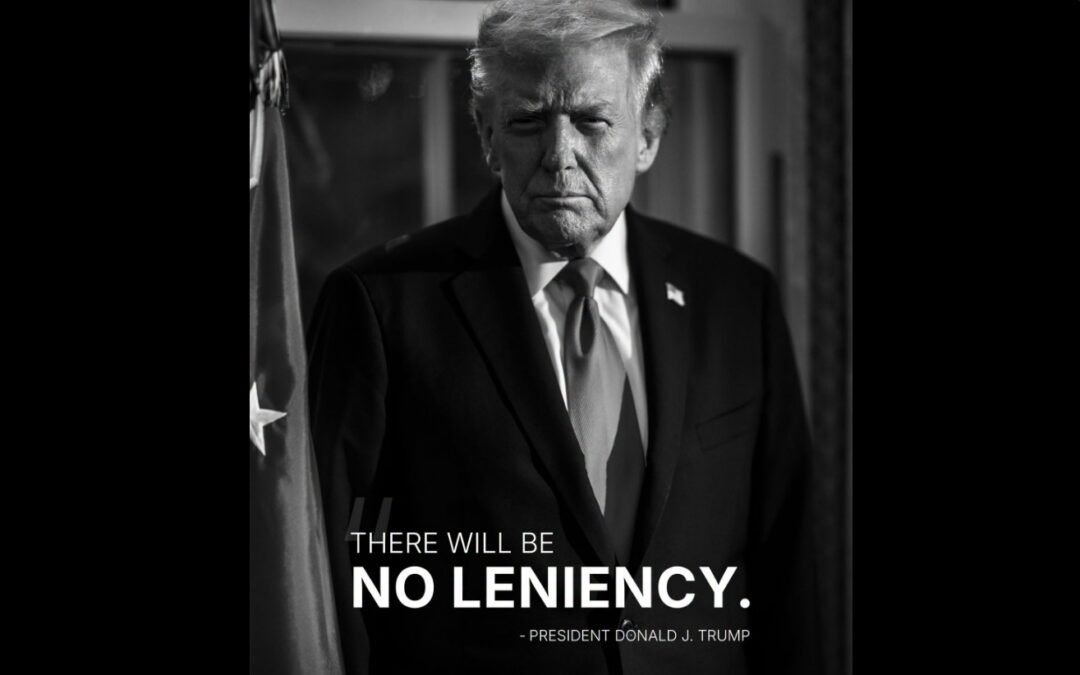
“President Trump is gearing up for a bloody, partisan brawl with Congress during his final two years in office. He spent [last] weekend huddling with his closest advisers at Mar-a-Lago, plotting a strategy for what was shaping up to be a vicious showdown with Democrats who were preparing to pounce…
“The president told CBS’s ‘60 Minutes’ in a taped interview that aired Sunday night that he would tone down his rhetoric to reach big deals with Congress. Mr. Trump said he could ‘very easily’ refrain from using insulting nicknames for Democrats if it would help pass legislation he supports.
“Democrats are projected to win more than 250 seats in the House, giving the party a more than 30-seat majority. In the Senate, Democrats will have at least a four-seat majority. The House can easily pass legislation, but it likely will not go far. Thanks to the Senate filibuster, Democrats will need support from up to six Republicans to pass most legislation…”
Will they, though? Can Democrats count on the usual Republicans to assist them? Let’s see. Mitch McConnell won’t be there; Susan Collins won’t be there; Thom Tillis won’t be there; Bill Cassidy won’t be there… This leaves Alaska Senator Lisa Murkowski as the last prime cheerleader of the RINO caucus that’s plagued conservatives for so long.
If there was anything good about this year’s elections, it was the fact so many Republican-In-Name-Only were ejected from the upper chamber, through retirements, being primaried, or lumped in with the establishment ballast who’s hung in for decades. The GOP caucus should be more unified, but admittedly there isn’t much confidence in John Thune to lead a boisterous yet hamstrung Republican senate group.
So President Trump might actually find a smoother path forward in that respect. It’s much easier to play defense against an overly aggressive offense than it is to play offense versus an intractable party establishment and an opposition whose base wouldn’t permit them to ever cooperate with Republicans on anything.
The funniest thing about watching Democrats in the week since their bluer than blue wave-tsunami achieved at the hands of the Trump-fronted hapless Republicans was seeing their arrogance in victory and their assessment of the reasons why voters chose them instead of maintaining the governing status quo that’d developed over the past couple years.
In essence, Democrats should stand in front of a very large mirror and, count to 1-2-3 and state the rationale for why they were so fortunate two weeks ago. If there are 310-or-so (don’t know the actual number) Democrat Representatives and Senators now, here’s thinking a mere handful possess the humility and wherewithal to state semi-publicly (at least in front of each other) that they won because of a historical blip.
The “blip” being the tornado of voter anger and resentment at the consumer conditions they confront on a daily basis – and anti-Trump Americans’ purported cause célèbre of the hour, the Iran War.
President Trump had a major hand in his own undoing. Trump said “I wasn’t on the ballot”, but he was very much on the minds of swaths of motivated voters. One led to the other.
Seeing their gas and grocery bills skyrocket over the past few years (including during senile Joe Biden’s tenure) trumped any modicum of gratitude they might’ve experienced over bigger tax returns earlier this year or incremental changes in their paychecks due to “No tax on tips” or the like.
Some of us tried warning Trump and his message-shapers that this would happen if they didn’t tone down the “We have the greatest economy ever” mumbo-jumbo from this year’s campaign trail. 2026’s elections were a prime example of how Democrats were handed a major branding opportunity – to pin inflation on Republicans – and the leftists took advantage of it.
Democrats didn’t need to do much else to persuade the fence-sitters. Trump did it for them. Democrats aren’t now the majority party because they earned it, or because they had a superior election platform. And Michiganders didn’t choose Abdul El-Sayed because they suddenly developed a soft spot for jihad and Jew-hating.
No, Abdul won because Republicans lost. El-Sayed and James Talarico – and the balance of the victorious Democrats – wouldn’t have prevailed in 2024. Do they realize this? Therefore, Democrats are only where they’re at today because of a twist of fate.
This isn’t to say Republicans will get back in folks’ good graces by simply waiting out the Iranians in the Persian Gulf region and then betting on the economy roaring back to life close to home with incomes reaching the comfort level for households to make headway again. It will be nice to see fuel prices return to a pre-Iran War level, but this alone won’t steer voters back towards the good side.
President Trump needs to return to a time when he related well to the voters, particularly those most susceptible to fluctuations in consumer prices and interest rates. You know, the ones who George Bailey talked so eloquently about in “It’s a Wonderful Life”. It’s practically Christmas time, right?
The comeback won’t be furthered by Trump suggesting renaming the Strait of Hormuz to the “Strait of Trump,” or whatever he talked about doing a few months ago. Ditto for working to rename Lake Ontario and half the landmarks in North America to reflect his greatness. That stuff needs to cease, right away.
The last thing Trump should do is elevate his vanity. It’s what caused the “middle” voters to jump off the MAGA train so dramatically in the first place. I maintain that voters didn’t get tired of Trump’s successful policies – or his unbending advocacy for them – as much as they grew weary of the non-stop drama and his penchant for jabbing at everyone who disagreed with him. On anything.
With Thanksgiving coming up next week, politically divided families are probably readying themselves for the inevitable alcohol-emboldened sniping and silent treatments that follow once-civil conversations that no longer enjoy the protection of an “agree to disagree” unspoken mandatory détente prior to the breaking of bread.
Trump’s style was refreshing to a lot of Americans who were fed up with liberal politicians blaming conservatives for everything. Trump earned commendations for his ability to empathize with voters for the years he did well in politics, but he seemingly lost this ability in his second term.
We’ll have to take the president at his word that he can turn off the insults just as readily as he’s turned them on, and Trump’s self-control is as legendary as his energy and discipline. But it will take a supreme effort to refrain from employing his “punch back” reflex whenever Democrats step over the line. Democrats do it naturally, in part because they truly do hate the man.
Trump will be much more effective in his final two years in office if he can take a page out of Barack Obama’s post-2014 reputation-self-improvement project. With the multitude of policy matters Trump already has set in motion, he won’t need as much of a sell-job to get what he wants any longer.
Trump understands that his major theatrical signing ceremonies are a thing of the past. It may come to a point when the media will be bored with him. This will come as a surprise for Trump, but he appears as though he’ll be busy rehabbing his legacy, and staying away from controversy is his best strategy yet.
Jeff Rendall is editor and publisher of GolfintheUSA.com and has written about golf and politics for over a quarter of a century. A non-practicing attorney from California, he moved to the east coast three decades ago to pursue and combine his interests in all things American history and culture. Jeff has worked as an intern on Capitol Hill and in various capacities in grassroots organizing and conservative organizations and publications, including a nearly two-decade stint at ConservativeHQ.com. Column republishing or other inquiries: Rendall@msn.com .